
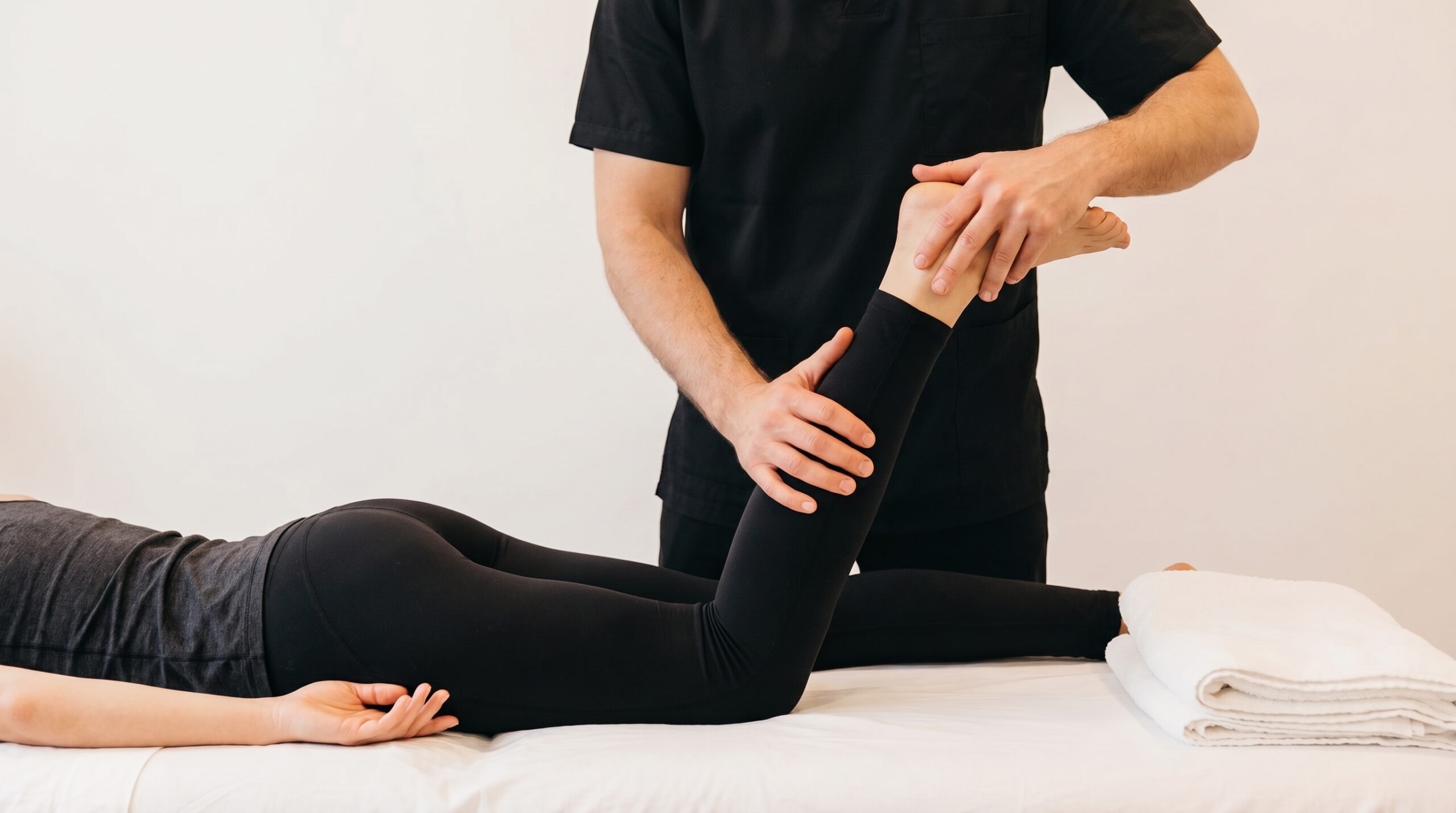
After years of working with clients, I have noticed the same reaction again and again. Someone tries assisted stretching for the first time, then asks, “Why didn’t I start doing this sooner?” I understand the hesitation. Stretching can sound like the part of a workout people tend to skip, not something they would add to a massage. But once you feel how much easier your body moves afterward, it makes sense.
What Assisted Stretching Actually Is
Assisted stretching is just what it sounds like: a trained therapist gently guides your body through each stretch instead of leaving you to do it on your own. That guidance can make a noticeable difference. When I work with a client’s hamstrings, hips, or shoulders, they do not have to concentrate on holding the position themselves. They can relax while I control the movement, adjust the angle, and stay within a comfortable range.
Why I Recommend It So Often
Many of the clients I see are dealing with similar issues. They sit at a desk for hours, hold stress in their shoulders, or rely more heavily on one side of the body without realizing it. Eventually, that can show up as tight hips, a stiff neck, or a lower back that never feels completely relaxed. Massage can ease that tension, while stretching helps the body move more comfortably through its natural range of motion. Together, they can be especially effective.
What Is Happening in Your Body
There is a simple reason massage and stretching work so well together. Muscles and the connective tissue around them can feel tight after long periods of sitting, stress, repetitive movement, or recovery from an injury. Massage helps warm the area and reduce tension. Once the body is more relaxed, gentle stretching often feels easier and more comfortable.
Your nervous system is involved too. Slow, controlled movement encourages the body to relax instead of brace against the stretch. That is one reason clients often leave a session feeling calmer as well as more mobile.
How I Approach a Session
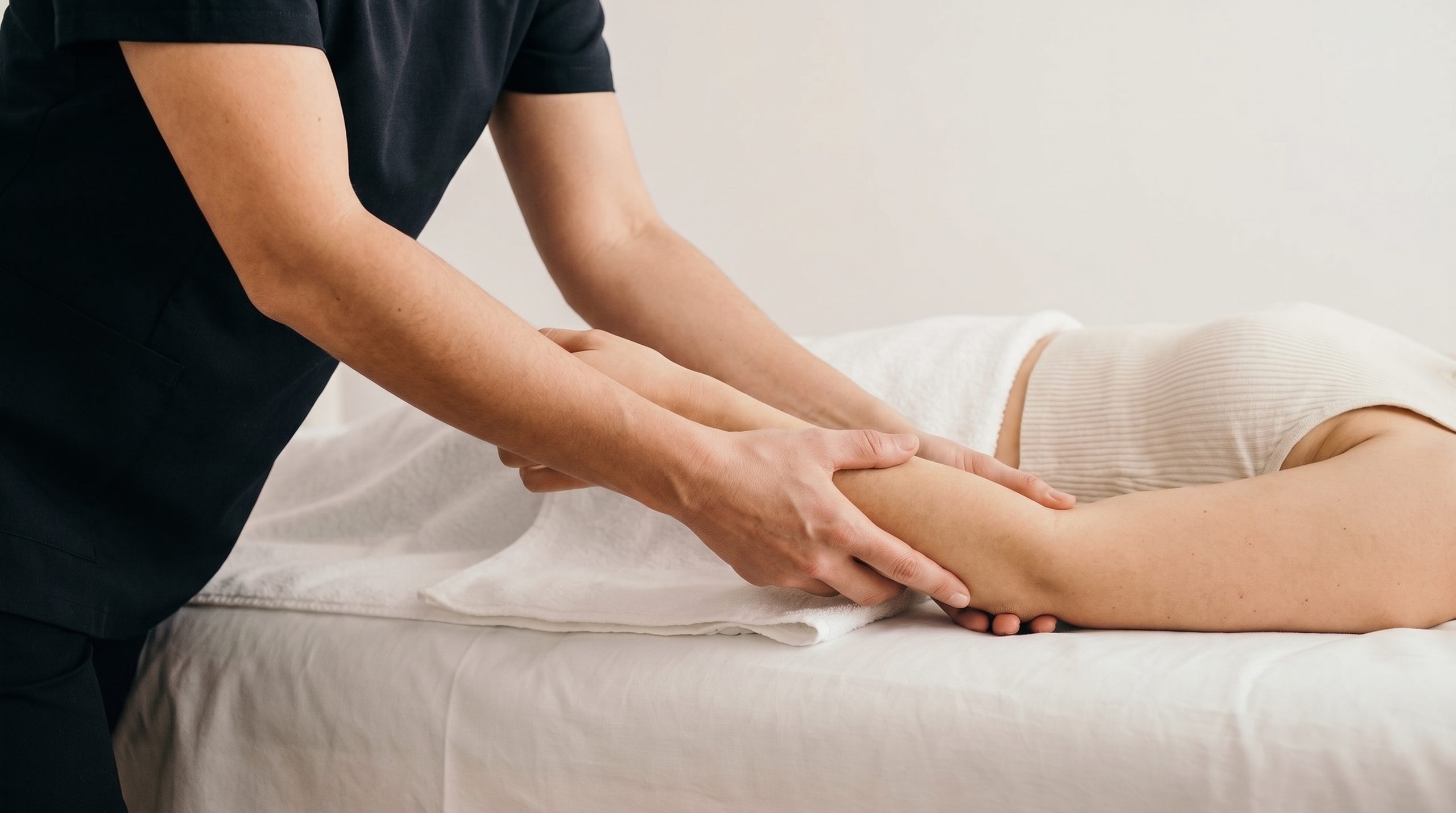
Every stretch I do starts with a conversation, not a stretch. I ask about old injuries, what feels tight, what your week has looked like and whether you are training for anything specific. From there I work through a mix of techniques. Sometimes that is a static hold, sometimes it is a method called PNF stretching, where you gently push against light resistance before I move you deeper into the stretch. That combination tends to get more range of motion in a single session than static stretching alone ever could.
PNF, or proprioceptive neuromuscular facilitation, sounds more technical than it feels in the room. It is one of my go-to techniques because it uses your own nervous system to help the muscle let go. I move your limb into a gentle passive stretch first, then ask you to contract that same muscle against my light resistance for about five to ten seconds, almost like an isometric hold. Once you relax out of that contraction, the muscle lets me ease it a little deeper into the stretch than where we started. That contract-and-release cycle gets muscles to quiet down more than a static hold alone ever does, which is part of why clients often notice a bigger jump in range of motion in sessions where we use it.
None of it is one size fits all. What I do with a marathon runner two weeks out from a race looks completely different from what I do with someone who just wants their shoulders to stop feeling like rocks.
What to Expect During Your First Session
If you have never done this before, here is roughly what it looks like. You will usually stay in comfortable clothes rather than a robe, since I need to move your limbs through their full range. We start light, checking in on comfort as we go, and I will ask you to breathe rather than hold your breath, since tensing up works against what we are trying to do.
Sessions typically run somewhere between 25 and 50 minutes, depending on whether it is a standalone appointment or added onto a massage. Most people feel looser immediately, though it is common to feel it in your muscles the next day too, similar to how a new type of exercise feels the day after. That is normal and usually fades within a day or two.
What I See It Help With Most
- Better flexibility and range of motion. Everyday movements, such as reaching overhead or bending down to tie your shoes, may start to feel easier.
- Improved posture. Releasing tightness in the chest, neck, and hips can reduce some of the strain on the muscles that work to keep you upright.
- Better circulation. Massage and gentle movement increase blood flow to the areas being worked on and can support recovery.
- Stress relief. The benefits are not only physical. Slow, guided stretching can feel deeply relaxing.
- Athletic performance and recovery. Many of my active clients include assisted stretching in their routines, especially during intense training periods or after a demanding week.
- Relief from sitting too long. This is one of the benefits I hear about most often from clients with desk jobs.
Who It Is For
People often ask whether they need to be flexible before trying assisted stretching. The answer is no. In fact, some of the clients who notice the biggest difference are the ones who start by telling me they cannot touch their toes. I work with office workers who carry tension in their neck and shoulders, athletes preparing for a season, older adults who want to stay active, and people getting back into movement after a long break. Every stretch is adjusted to what your body can comfortably handle that day.
Frequently Asked Questions
What is assisted stretching massage?
Assisted stretching massage is when a trained massage therapist actively guides your body through a series of stretches, rather than you stretching on your own. It is often combined with massage techniques to help muscles relax more fully and stretch further than they would during self-stretching.
Is assisted stretching different from a regular massage?
Yes. A regular massage focuses on working muscle tissue to relieve tension, while assisted stretching moves your joints and muscles through a range of motion with a therapist’s guidance. Many sessions combine both for a more complete result.
Does assisted stretching hurt?
It should not. A good assisted stretch should feel like a deep, satisfying stretch, not pain. Your therapist adjusts pressure and range based on what your body can comfortably handle that day.
How often should I get assisted stretching massage?
It depends on your goals and how your body responds, but many clients find once or twice a month keeps them noticeably more mobile, with more frequent sessions during periods of high activity or stress.
Do I need to already be flexible to try it?
Not at all. If anything, people with limited flexibility tend to notice the biggest difference, since there is more room for improvement.
Can assisted stretching help with back or neck pain?
Many clients find it helpful for general tightness and discomfort tied to posture and muscle imbalance. It is not a substitute for medical treatment, so if you are dealing with a specific injury or chronic pain, it is worth checking with your doctor first.
How long does a session take?
It depends on the service you book. Assisted stretching can stand alone as a focused session or be added onto a massage, so ask us what fits your schedule and goals best.
What should I wear to an assisted stretching session?
Comfortable, stretchy clothing works best, similar to what you would wear to a workout. Since your therapist will be moving your arms and legs through a full range of motion, tight jeans or restrictive clothing make that harder to do well.
Can I combine assisted stretching with a regular massage?
Yes, and many clients do. Booking both together lets your therapist work tension out of the muscle first, then use stretching to lock in that added range of motion while everything is already warmed up.
Related Services at Spada
The Therapeutic Stretch Massage combines therapeutic massage with assisted stretching to help reduce muscular tension, improve flexibility, and support a more comfortable range of motion.
Final Thoughts
If you have never tried assisted stretching, my advice is simple: start with one session and see how your body responds. Many clients notice the difference as soon as they get off the table.
— Bill Shutic, Massage Department Manager