
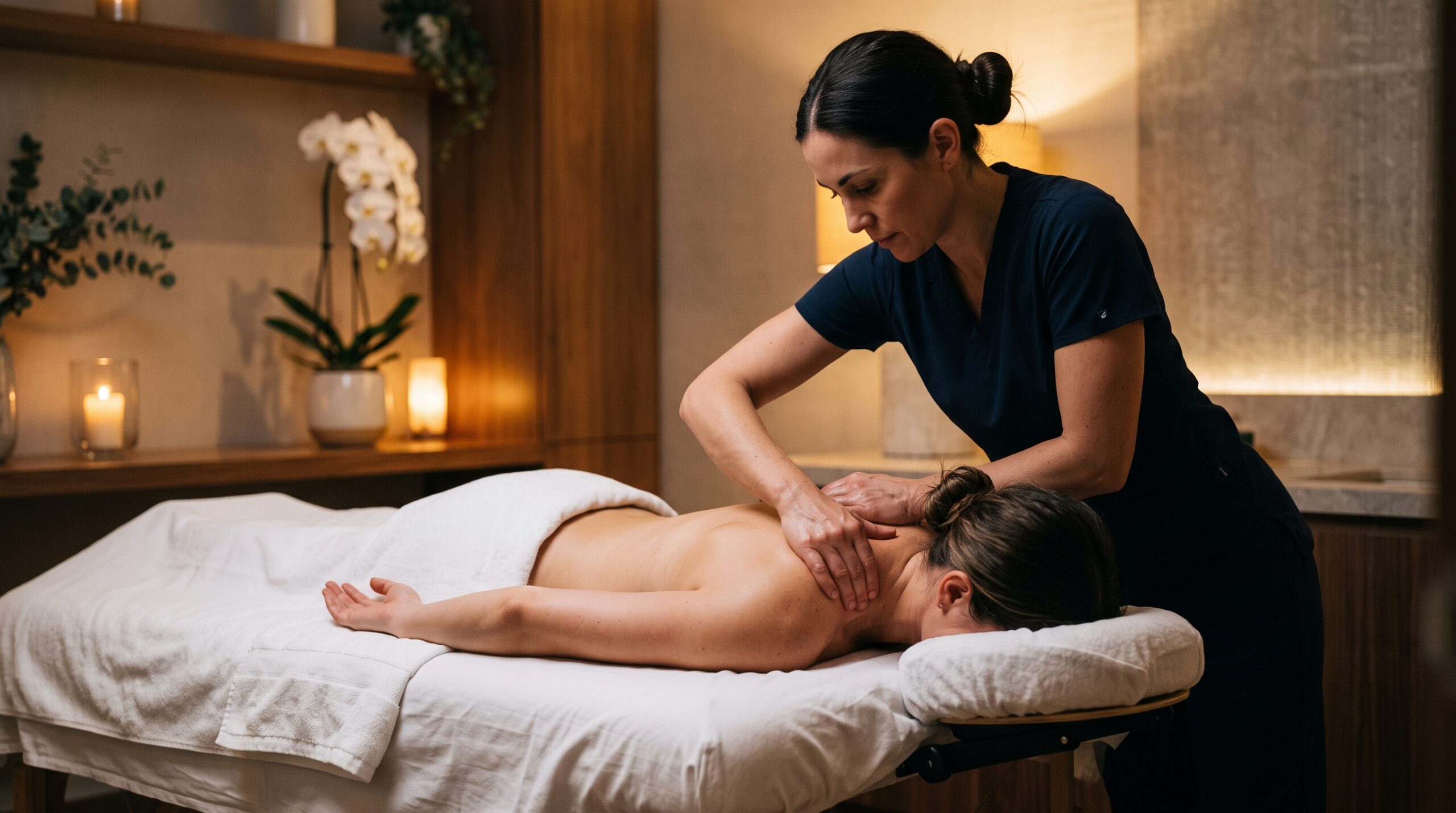
Which Does Your Body Actually Need?
By Bill Shuttic, Massage Therapy Manager at Spada Salon & Day Spa
Both sports massage and deep tissue massage use firm, intentional pressure to address muscle tension — but they are built for very different goals. Choosing the wrong one won’t necessarily hurt you, but choosing the right one can make a meaningful difference in how you feel, recover, and move.
Whether you’re an athlete looking to perform at your best, someone dealing with chronic tightness from desk work, or simply trying to feel more comfortable in your body — this guide will help you understand the difference and book with confidence.
| 🏃 Sports Massage Performance, recovery & injury prevention | 💪 Deep Tissue Chronic tension relief & deep muscle repair | 💧 Lymphatic Fluid drainage & recovery support |
The Main Difference
The biggest distinction between these two massage styles is purpose. Sports massage is designed around athletic activity — preparing the body to perform, helping it recover, and reducing the risk of injury. Deep tissue massage is focused on the structural layers of muscle and connective tissue, working through persistent tension and chronic pain regardless of your activity level.
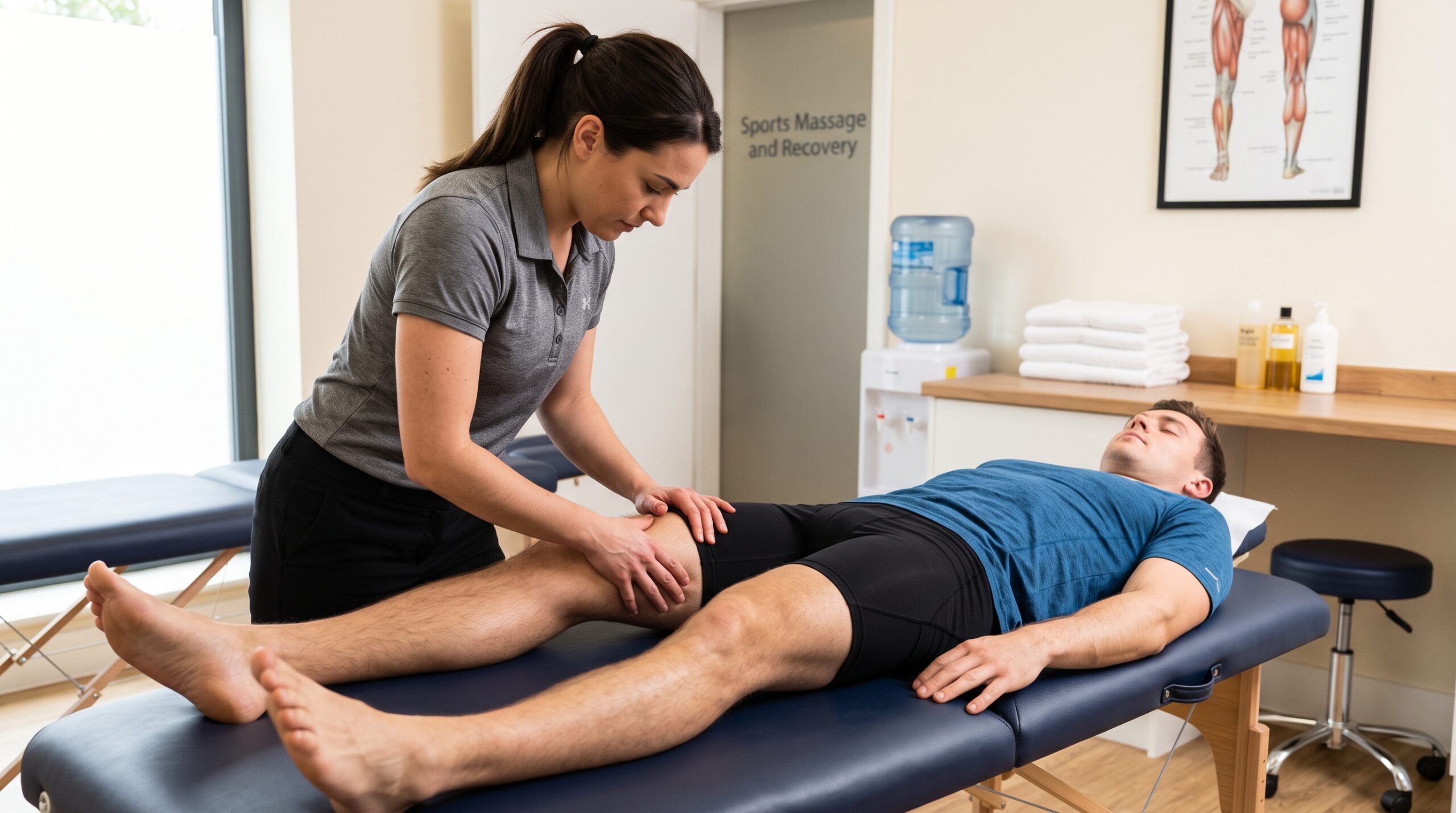
“One is built for the athlete. The other is built for anyone carrying tension they can’t seem to shake.”
Sports Massage: Built for Athletic Bodies
Sports massage is a specialized therapy designed to work alongside your training schedule. Rather than one uniform technique, it adapts based on where you are in your athletic cycle:
| How Sports Massage Supports Athletic Performance | ||
| ⚡ | Pre-event / Pre-workout | Faster, lighter strokes to stimulate circulation, warm up the muscles, and mentally prepare the body for activity. |
| 🙏 | Post-event / Recovery | Slower, flushing techniques to remove metabolic waste, reduce soreness, and help muscles return to resting length. |
| 📋 | Maintenance | Regular sessions between training cycles to address imbalances, prevent overuse injuries, and maintain flexibility. |
| 🩹 | Rehabilitation | Targeted work on strained or overused muscle groups to support healing and restore full range of motion. |
Common techniques include compression, cross-fiber friction, muscle energy technique, active and passive stretching, and myofascial release. The goal is always to keep the body performing optimally and recovering efficiently.
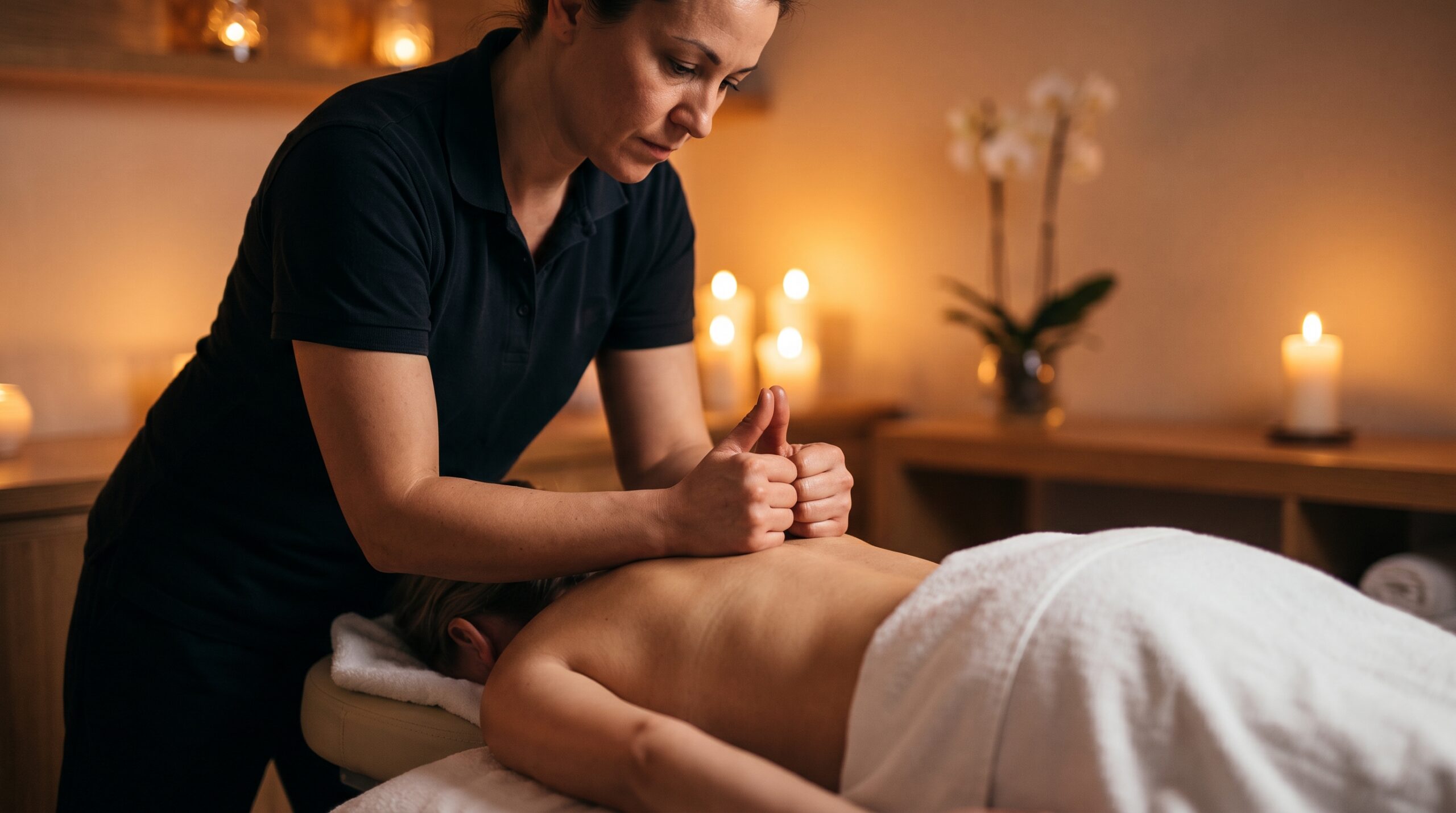
Deep Tissue Massage: Relief That Goes the Distance
Deep tissue massage works by applying slow, sustained pressure that reaches the deeper layers of muscle and the fascia — the connective tissue surrounding it. Unlike a relaxation massage, the pressure is firm and intentional, targeting the areas where tension has built up over days, weeks, or even years.
| What Deep Tissue Massage Addresses | ||
| 🦴 | Chronic muscle knots | Persistent trigger points in the neck, shoulders, upper back, and glutes that just won’t release on their own. |
| 🧘 | Postural tension | Tightness caused by prolonged sitting, repetitive movement, or poor ergonomics — desk workers, drivers, frequent flyers. |
| 🪖 | Injury recovery | Scar tissue and restricted movement following muscle injuries or overuse — when the area needs to be carefully, gradually loosened. |
| 😴 | Stress-related tension | Chronic stress manifests physically in the muscles. Deep tissue work releases the holding patterns the body develops under pressure. |
| 🥵 | Inflammation & stiffness | Slow strokes help improve circulation to chronically tight areas, reducing inflammation and restoring natural range of motion. |
It is worth noting that deep tissue massage can feel intense in the moment — particularly in areas of significant tension. Some clients experience mild soreness in the 24–48 hours following a session, which is entirely normal and typically gives way to significant relief.
How They Feel: Setting Expectations
A common question before booking either massage is: “How much will it hurt?” The honest answer is that both can feel intense — but in different ways.
🏃 Sports Massage
Feels dynamic and varied. The therapist may move quickly between compression, stretching, and friction. If received pre-workout, it should feel invigorating. Post-workout, it should feel like a deep, satisfying release. Some areas may be tender, but the overall sensation is usually purposeful rather than uncomfortable.
💪 Deep Tissue Massage
Feels slow, steady, and deeply penetrating. The therapist works methodically through layers of muscle. There is often a “good pain” quality to it — the sensation of tension being genuinely released. Always communicate with your therapist if pressure feels too intense; skilled therapists adjust accordingly.
At a Glance: Full Comparison
| Feature | 🏃 Sports Massage | 💪 Deep Tissue |
| Main goal | Performance, recovery, injury prevention | Chronic tension relief and muscle repair |
| Typical focus | Sport-specific or overused muscle groups | Deeper muscle layers and connective tissue |
| Techniques | Stretching, compression, friction, mobilization | Slow strokes, sustained pressure, trigger point work |
| Pressure style | Dynamic — varies before/after activity | Steady, slow, deeply penetrating |
| Best for | Athletes and regularly active people | People with chronic tightness or pain |
| Session timing | Before/after training or competition | Ongoing, as part of a wellness routine |
| Typical result | Faster recovery, better mobility, less injury risk | Reduced knots, eased stiffness, less chronic pain |
Which One Is Right for You?
Not sure which to book? Use this quick guide to find your best fit:
| If you relate to this… | Consider booking |
| I train or exercise regularly | Sports Massage |
| I have a specific sport-related strain or overuse issue | Sports Massage |
| I want to perform better and recover faster | Sports Massage |
| I have chronic tightness in my neck, back, or shoulders | Deep Tissue |
| I carry persistent knots that never fully go away | Deep Tissue |
| I sit at a desk all day and feel stiff | Deep Tissue |
| I want general deep relaxation and stress relief | Deep Tissue |
| I feel puffy or heavy after travel or activity | Lymphatic Massage |
Still unsure? Many Spada therapists are skilled in blending elements of both techniques. Reach out to our team and we’ll help match you to the right treatment and therapist.

Why Summer Is the Best Time to Book a Massage
Southwest Florida summers are intense. Heat, humidity, outdoor activity, travel, and long days put the body under a level of stress it doesn’t always show immediately. Both sports massage and deep tissue massage become especially valuable during this season:
| Summer Reasons to Book | ||
| ☀️ | Heat & humidity strain | High temperatures increase metabolic demand and can cause muscles to fatigue and tighten faster than usual. |
| 🏊 | Increased outdoor activity | Swimming, running, golf, tennis, paddleboarding — summer activity peaks in SWFL, and so does the need for recovery. |
| ✈️ | Summer travel | Long flights and extended sitting compress the spine and tighten hip flexors and calves. A post-travel massage resets the body. |
| 💧 | Dehydration & cramps | Heat-induced dehydration causes muscles to cramp and tighten more easily. Massage improves circulation and helps flush metabolic waste. |
| 😴 | Stress accumulation | Schedule changes, kids at home, travel planning — summer mental load is real. Deep tissue massage relieves the physical manifestation of stress. |
| 🌿 | Post-beach inflammation | Sun exposure, saltwater, and prolonged physical activity can cause low-level inflammation. Massage helps the body recover and regenerate. |
Regular monthly massage during the summer months is one of the most effective ways to stay active, feel energized, and avoid the cumulative stiffness that comes from a season of outdoor living. View the full Spada massage menu.
✦ Ready to Find Your Perfect Massage?
Book Sports Massage, Deep Tissue, or Lymphatic at Spada Salon & Day Spa — Fort Myers, FL→ Book Your Massage Now
Massage Services at Spada Salon & Day Spa
At Spada, our licensed massage therapists adapt each session to your specific needs — whether you’re training for an event, managing chronic pain, or simply due for a deep reset.
| Service | Price | What It Does |
| Sports Massage | $115.36 – $150.38 | Targeted pre/post-activity recovery. Addresses sport-specific muscle groups. Ideal for athletes and active lifestyles. |
| Deep Tissue Massage | $119.48 – $264.71 | Slow, sustained pressure targeting chronic knots and deep muscle tension. Relief for neck, shoulders, back, and legs. |
| Lymphatic Massage | $113.30 | Gentle drainage technique. Ideal after intense activity to reduce fluid retention and support recovery. |
| Aromatherapy Add-In | +$20.00 | Pair with any massage for customized essential oils that deepen relaxation and enhance therapeutic benefits. |
What to Expect at Your Spada Massage
- A pre-session consultation to identify your goals and any areas of concern
- Therapist-guided pressure customization throughout the session
- Clean, serene treatment rooms with professional-grade linens and ambiance
- Post-session hydration guidance and care recommendations
- Easy online booking with your choice of therapist and service length
Book your massage at Spada and feel the difference a skilled therapist makes.
Spada Salon & Day Spa
13161 McGregor Blvd, Fort Myers, FL 33919 | (239) 482-1858